

A classic Bronco can look ready for the trail in a parking-lot photo and still be hiding the kind of rust that turns a weekend project into a restoration. The good news is that Broncos rust in predictable places. If you know where to put your eyes, fingers, and flashlight, you can separate a solid truck from a shiny problem before money changes hands.
First-generation Broncos—1966 to 1977—get most of the attention, but the same inspection logic applies to 1978–79 full-size models and later classic generations. Body styles and trim change; water still finds the same low seams and hidden ledges. The goal is not to find a fifty-year-old truck with zero rust. The goal is to understand what you are buying, what it will cost to fix, and whether the seller’s asking price reflects reality.
Why Classic Broncos Rust Where They Do
These trucks were built to work. They have overlapping panels, spot welds, drain channels, and rubber seals that were never meant to last fifty years. Water sneaks in through the cowl, around the windshield, past worn door and top seals, and through the tailgate. Once it is inside, carpet padding, floor mats, and mud hold it against bare metal.
Rust rarely begins in the middle of a clean panel. It starts at seams, around bolt holes, under body mounts, and in the low corners where dirt and moisture collect. That is why a Bronco can have glossy paint on the doors and serious rot in the floor pans or frame. It is also why a fresh coat of undercoating deserves suspicion. Thick black coating can hide scale, pits, and even holes until you start poking.
The usual suspects:
- Frame rails, especially rear sections and body-mount areas
- Front and rear floor pans, seat mounts, and bed floor
- Tailgate lower seam, hinges, and latch pockets
- Rear wheel arches and inner wheelhouses
- Rocker panels, door bottoms, and front fender lowers
- Cowl, firewall, windshield frame, and drip rails
Water, Dirt, and Time
Think of rust as a three-part recipe: water, dirt, and time. A leaky top gasket lets water in. Carpet padding and trapped leaves keep it from drying. Years later, the metal is gone. The same pattern shows up in the cowl, where debris plugs drains and water spills into the footwells. It shows up in the tailgate, where the lower seam holds moisture. It shows up in the frame, where road grit sits inside the rails like sandpaper.
Frame First: The Deal-Breaker
If you only have fifteen minutes to inspect a Bronco, spend most of them under it. The frame carries the body, suspension, and steering. Rust here is not cosmetic. Look along each rail from front to rear, paying close attention to the rear section behind the cab, the body-mount outriggers, shock mounts, spring hangers, and the area around the steering box.
Surface rust—light brown staining that does not flake—is common and manageable. Flaking scale, deep pitting, cracks, and holes are different. Tap suspect areas with a small hammer or pick only after asking the seller. If the metal sounds thin or crunches, stop and look closer. Check inside the frame rails where openings allow, because dirt and water collect there and rust from the inside out.
A frame with serious rot can be repaired, but it takes a qualified fabricator and a lot of work. For most buyers, a bad frame is a reason to walk away or renegotiate hard. If you are not comfortable judging structural metal, hire someone who is.
If the frame is soft, the truck is a parts vehicle until a professional proves otherwise.
How to Inspect a Bronco Frame
- Bring a bright flashlight, a small magnet, a pick, and cardboard to lie on.
- Start at the front bumper mounts and work rearward along both rails.
- Check every body-mount bracket and outrigger, especially under the doors and rear bed.
- Look at spring hangers, shock mounts, and the steering box mounting area.
- Tap lightly with a hammer where rust looks scaly; listen for a dull crunch instead of a ring.
- Reach inside frame openings with a finger or rag to check for packed dirt and flakes.
Floor Pans and Body Mounts: Hidden Water Damage
Floor pans are the Bronco’s built-in sponge. Water from the cowl, heater box, window seals, or missing top gaskets runs under the carpet and stays there. The padding holds moisture against the metal, and the rust spreads from the inside.
Pull up a corner of the carpet or vinyl if the seller permits. Look at the front footwells, under the pedals, around the seat mounts, and across the rear bed floor. A magnet wrapped in a soft cloth will not stick to thick body filler, which can reveal a patch hiding rot. A small pick can confirm whether a bubble is paint or perforation, but ask first.
Body mounts matter just as much. The rubber pucks and steel brackets tie the body to the frame. If the rubber is crushed, the mounts sag and doors can be hard to align. More important, the steel mount channels and floor supports above them often rot from water sitting on top. Check the mount bolts from below and the floor reinforcement plates from above. If a mount bolt spins freely or the bracket moves with the body, there may be serious hidden corrosion.
Seat mounts and seatbelt anchors deserve special attention. They are safety items, and rust around them can mean the floor is weaker than it looks. A floor pan replacement is common and doable, but full floor, rocker, and body-mount repair can snowball into major bodywork.
Tailgate, Rockers, and Lower Body
The tailgate is a rust magnet because it collects water and debris in its lower seam. Open it, lift it, and look along the bottom edge. Check the hinge mounts, latch pockets, and the inside lower panel. A tailgate that feels heavy or crunchy when you close it may be full of rust inside.
Rocker panels and door bottoms are next. These areas catch splash and road salt. Look behind the front fender where it meets the rocker, and under the door sill plates. Bubbles along the bottom of a door are usually worse inside. If the rocker is covered by trim or diamond plate, ask why. Diamond plate is often a cover-up for rot.
Rear wheel arches and inner wheelhouses rust from the inside out. Reach behind the tire and feel the lip. Check the inner wheelhouse where it meets the floor and quarter panel. Front fender lowers above the tire are also common, especially on trucks that have seen mud and salt.
Cowl, Windshield Frame, and Firewall
The cowl area under the windshield is a favorite entry point. Leaves and pine needles plug the drains, water backs up, and the firewall and floor pans pay the price. Look under the dash and around the fresh-air intake. Rust here can be hard to see because the heater box and wiring hide it.
The windshield frame is another classic problem. Check the lower corners, the hinge area, and the top corners under the seal. A rusty windshield frame can be structural, and replacing it is not a small job. Drip rails above the doors also trap debris. Run a finger along them and look for bubbling paint.
Finally, check the firewall where the steering column, pedals, and wiring pass through. Grommets fail, water follows the openings, and rust starts around the holes. This is also a good time to look for evidence of previous repairs: fresh seam sealer, mismatched paint, and pop rivets can all tell a story.
What to Bring and How to Ask
A good inspection is part preparation and part manners. Bring a flashlight, a small magnet, a pick or screwdriver, a rag, and a piece of cardboard. Ask before you pull carpet, poke metal, or tap the frame. A seller who refuses reasonable inspection is giving you information, too.
Use questions that invite specifics. Ask when the floors were last replaced, whether the frame has been patched, and if the truck has lived in a salt state. Ask for receipts and photos of any rust repair. “It was fixed” is not the same as “it was fixed correctly.”
Repair Reality and Negotiation
Some rust is normal. Surface rust on the frame, a small bubble on a door, or a pinhole in a floor pan can be managed. But structural rot, missing body mounts, and perforated frame rails change the math. A Bronco with a solid frame and dry floors is worth paying more for, even if the paint is tired. A cheap Bronco with a rotten frame is rarely cheap by the time it is safe.
Use what you find to negotiate. Get estimates before you make an offer if the repairs are beyond your skills. If the seller will not allow an independent inspection, walk away. There are other Broncos, and the best one is the one you can actually enjoy instead of chasing rust for years.
In the end, rust inspection is about patterns. Check the frame first, then the floors and mounts, then the lower body and cowl. If the important metal is solid, you can
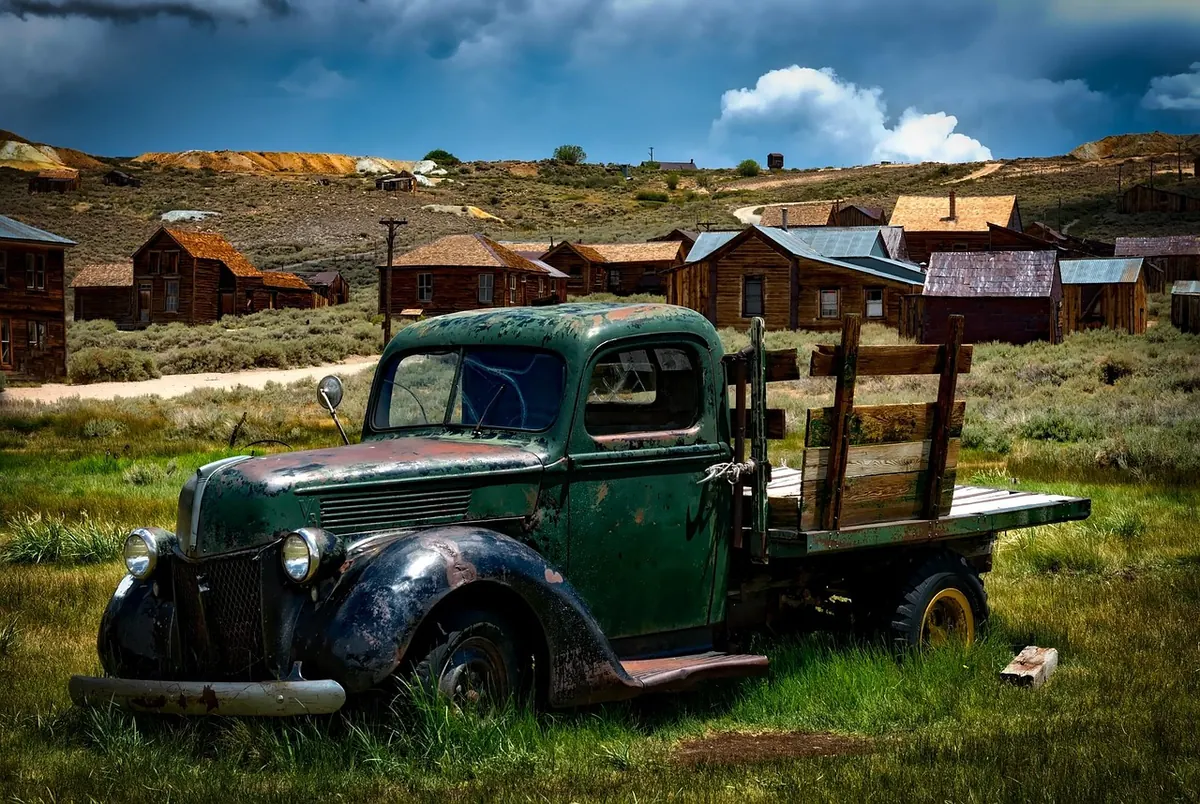
Photo: 12019 / Pixabay
Related posts
More stories you’ll love reading