
The Ranger is one of those trucks that quietly does everything you ask, which is exactly why first-time owners get into trouble with it. It tows, it hauls, it fits in a garage, and it feels sturdy enough that people stop checking numbers. Then the transmission shudders at highway speed, the tonneau cover doesn't line up, or the rear springs sit flat with a trailer attached. None of that is bad luck. Here are the mistakes that show up again and again, and what to do instead.
Loading the Truck Like It's a Full-Size
The Ranger's payload is respectable for a midsize truck, but the brochure figure and your truck's actual figure are two different numbers. Open the driver's door and read the sticker on the jamb. That payload rating applies to that specific truck, with its cab, bed, drivetrain, and options. A crew cab four-wheel-drive with a sunroof and a bed rack carries less than the one in the ad.
Everything you add eats into that number: people, dog, cooler, toolbox, tonneau cover, bikes, and the tongue weight of a trailer. Tongue weight typically runs somewhere around 10 to 15 percent of a loaded trailer's weight, and it counts against payload, not just against the tow rating. A family of four with a weekend's gear can burn through half the payload before anything is hitched.
A quick check before you load up
- Weigh the truck loaded at a scale if you tow more than a few times a year.
- Subtract passengers, cargo, and tongue weight from the door-jamb payload figure.
- Check the rear axle rating as well as the gross vehicle weight rating. It is often the limit that bites first.
- Run the placard tire pressure when the truck is loaded. Airing down for comfort while towing is a fast way to ruin a set of tires.
Postponing Transmission Service
A modern automatic that spends its life towing, idling in traffic, or climbing grades is not living the "normal" life the maintenance table describes. Towing, hauling, dusty roads, and short winter trips usually fall under severe duty, and severe duty means shorter intervals for transmission fluid, differential fluid, and engine oil. Many owners read "lifetime fluid" as "never," sail past six figures, and then pay for a rebuild.
Check your owner's manual for the severe-duty schedule for your model year, then set a plan with a shop you trust. If you tow regularly, a fluid service on a sensible interval is cheap insurance. Use the fluid specified for your transmission rather than whatever a quick-lube bay keeps in bulk. And if the truck starts shuddering, hesitating, or hunting for gears, treat it as a symptom worth diagnosing, not a personality quirk to live with.
Buying Bed Accessories by Photo Instead of Tape Measure
Rangers have been built with different bed lengths depending on cab, trim, and model year, and plenty of aftermarket listings blur them together. Before you order a tonneau cover, bed extender, or slide-out tray, measure your bed at the floor between the bulkhead and tailgate, along the top rail, and between the wheel wells. A cover that "fits a Ranger" can be an inch off, and an inch becomes a leak, a rattle, and return shipping.
Two other details trip people up. Clamps that fight a drop-in bed liner or a rail-mounted tie-down system. And racks rated for far less weight than the tent, kayak, or ladder they plan to carry. Look at both the static and dynamic ratings, then remember that a heavy rack plus its load is a permanent tax on the payload you also want for towing.
Modifying Before You Understand the Truck
The usual order goes: lift kit, oversized tires, tune, then confusion about why the truck wanders, the fuel economy dropped, and something vibrates under load. Lifting a Ranger changes driveline angles, and a kit that ignores that gives you vibration at speed. Bigger tires change effective gearing, speedometer accuracy, and braking demands. Aggressive tuning on a small turbo engine shortens the life of parts, and depending on what fails and why, it can complicate warranty coverage.
If you lift, do it properly: a quality kit, an alignment afterward, correct driveline angles, and a shakedown before towing anything long distance. If you go bigger on tires, check the load rating, because a passenger-rated tire that feels fine empty can be the weak link with a trailer behind you. Keep the stock parts in the garage. You may want them again.
Opening the Hood Only When Something Sounds Wrong
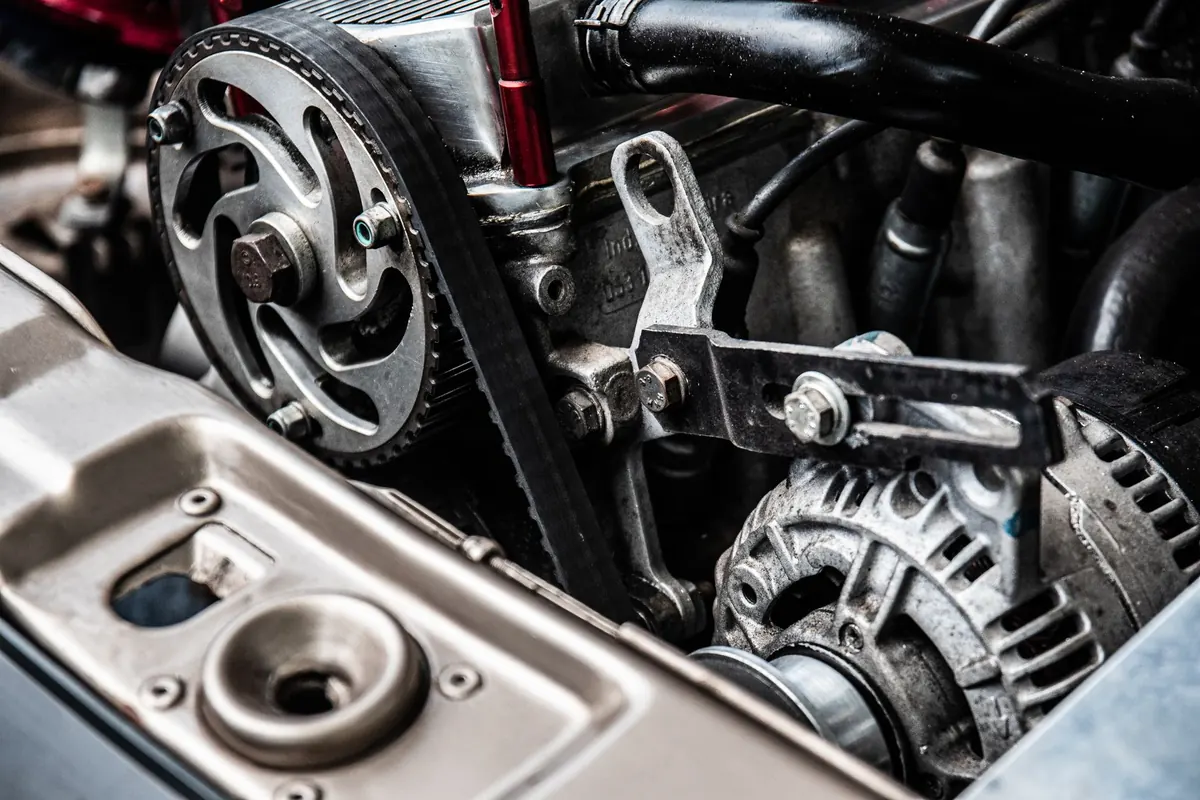
The turbocharged four-cylinder in the Ranger is a durable engine that asks for two things: the oil it was designed for and clean air. Use the viscosity and specification listed in your owner's manual, and don't assume the shop's bulk oil meets it. Short trips, cold starts, and towing are exactly the conditions that shorten oil life.
A handful of inexpensive habits pay off:
- Check the oil level monthly and before any long trip, not just at service time.
- Replace the engine air filter when it is genuinely dirty. Dusty conditions matter more than mileage.
- Change the cabin filter at least yearly if you drive in dust or have allergies.
- Keep an eye on coolant and brake fluid levels, and have the brake fluid serviced on the interval your manual lists.
- Look over coolant hoses and the overflow tank after a hard summer tow.
Missing the Slow Problems: Rust, Leaks, and Paperwork
Underneath the truck is where the money hides. Road salt, brine, and beach sand work on frames, crossmembers, brake lines, and the area around the rear leaf spring mounts. A thorough undercarriage rinse after winter, plus a look for bubbling paint or flaking coating, costs almost nothing. Catch surface rust early and it is a wire brush and a can of paint. Ignore it for three winters and it becomes a repair bill.
Keep records at the same time: date, mileage, and what was done. If a warranty question ever comes up, or you decide to sell, that folder of receipts is worth more than a fresh detail. Buying used? Have an independent shop inspect it, and ask directly whether the truck has been tuned, lifted, or used hard for towing. For anything you are unsure about, a mechanic's hour of labor is cheaper than a guess. The same goes for financing or warranty paperwork: read it carefully, and ask a professional if the terms are unclear.
A Reasonable First Month
You don't need to baby a Ranger. You need to know what it is: a midsize truck with real limits, a maintenance schedule worth following, and an aftermarket that will cheerfully sell you the wrong part. Start with these:
- Read the door-jamb stickers and write down payload, gross vehicle weight rating, and axle limits.
- Photograph the maintenance pages in your owner's manual so they are on your phone.
- Measure your bed before ordering anything that clamps, bolts, or slides into it.
- Weigh the truck loaded before your first big trip with a trailer.
- Build a service plan that matches how you actually drive. Towing and hauling mean severe duty.
- Keep every receipt in one folder, digital or paper.
Then drive it. A Ranger that is loaded within its limits, serviced on time, and modified with some patience will still be a solid truck long after the shortcut version has become somebody else's problem.
Photo: Lenzatic / Pixabay
Related posts
More stories you’ll love reading